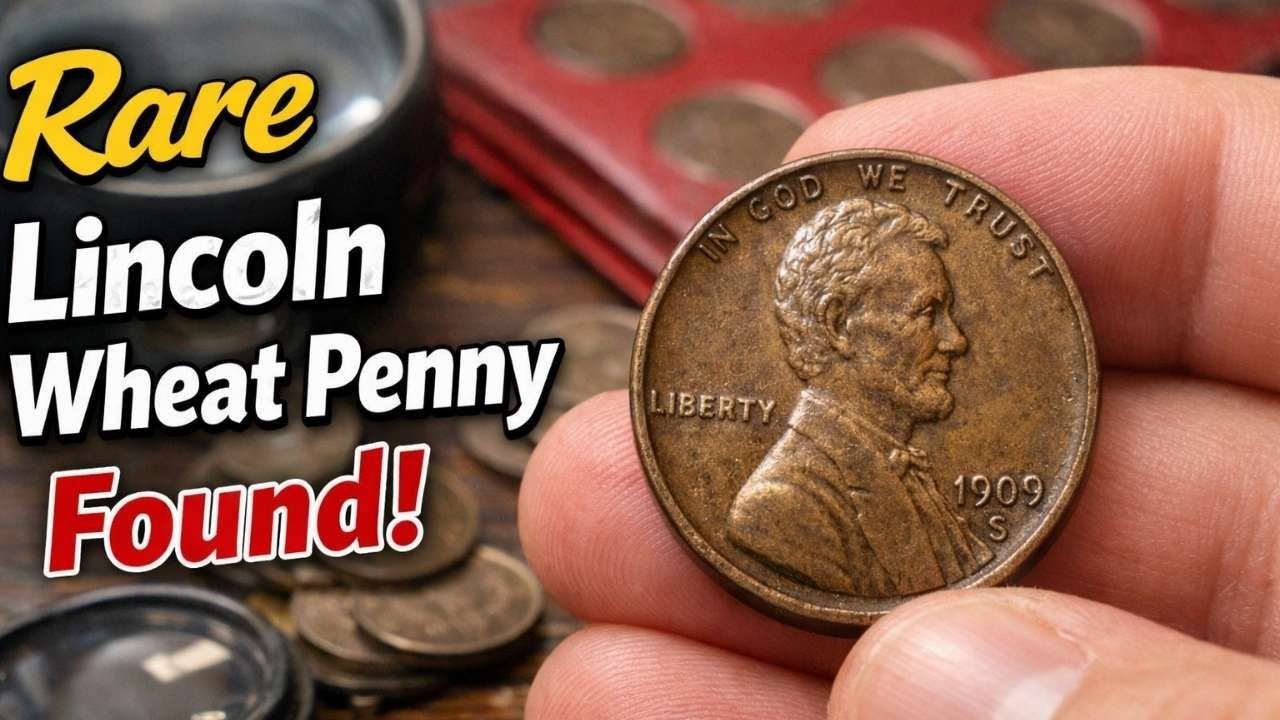
Imagine reaching into your pocket for loose change and finding a coin worth more than a brand-new car. This isn’t a fantasy—it recently happened when a rare Lincoln Wheat Penny surfaced in ordinary change, ultimately valued at an astounding $50,000. Stories like this continue to capture the attention of collectors and everyday Americans, sparking curiosity about the hidden value in spare coins.
The Legacy of the Lincoln Wheat Penny
The Lincoln Wheat Penny was first introduced in 1909 to commemorate Abraham Lincoln’s 100th birthday, marking the first time a real historical figure appeared on a standard U.S. coin. Designed by Victor David Brenner, the penny features Lincoln’s portrait on the obverse, while the reverse showcases two wheat stalks symbolizing national prosperity.

Produced from 1909 until 1958, Wheat Pennies circulated widely across the country. Though millions were minted, certain years and mint marks are exceptionally rare. These rare varieties have become highly coveted among collectors, often commanding substantial prices.
Why Some Wheat Pennies Are Worth Tens of Thousands
Most Wheat Pennies are worth only a few cents or dollars, depending on condition. However, limited production, minting errors, and historical circumstances can create extraordinary value. One of the most famous examples is the 1943 copper penny.
During World War II, pennies were intended to be made from steel coated in zinc to conserve copper for the war effort. Yet a small number were mistakenly struck in copper, creating one of the rarest error coins in U.S. history. Similarly, early 1909 pennies with the S mint mark and designer initials are also highly prized due to their scarcity.

Condition significantly influences price. Coins that retain sharp details, minimal wear, and clear lettering can command tens of thousands of dollars, even decades after their minting.
The Pocket Change Discovery That Shocked Collectors
The recent discovery involved an ordinary individual who noticed a penny that looked slightly unusual in color and texture while making a purchase. Curious, the finder researched the date and mint mark, and consulted a coin expert. The coin was authenticated as a rare 1943 copper Wheat Penny in excellent circulated condition.
Professional grading confirmed the coin’s authenticity and condition, prompting collectors to submit high-value offers. Ultimately, the coin reached a final valuation of $50,000, transforming a single cent into a life-changing windfall.
How to Identify a Valuable Wheat Penny

For those interested in discovering hidden treasures in their spare change, several key details can signal potential value:
- Date and Mint Mark: Focus on pennies minted between 1909 and 1958. Early years and wartime issues are particularly significant. The mint mark below the date indicates where the coin was produced—S for San Francisco, D for Denver, and no mark for Philadelphia.
- Metal Composition: Wartime pennies like the 1943 steel cent will stick to a magnet. Copper errors do not, making metal testing a useful first step.
- Condition: Coins with minimal scratches, clear lettering, and sharp design details are far more valuable. Even a rare coin loses value if heavily worn.
- Professional Grading: Authentication by a reputable grading service is essential for verifying rarity and condition, ultimately influencing market value.
The Role of Grading and Authentication
Before commanding high prices, rare coins undergo professional grading. Experts evaluate authenticity, condition, and overall quality, assigning a grade that helps determine market value. Certified coins give buyers confidence and protect sellers in the competitive numismatic market.
In the case of the $50,000 Wheat Penny, professional grading was instrumental in confirming its rarity, enabling collectors to bid with confidence.
Why Rare Coins Continue to Fascinate
Rare coin discoveries captivate because they combine history, luck, and financial reward. Unlike risky investments, coins are tangible pieces of the past that connect us to earlier generations. The Lincoln Wheat Penny, with its long circulation and iconic design, embodies this connection.
The idea that a fortune might be hidden in everyday change excites collectors and casual enthusiasts alike. It encourages careful observation and a newfound appreciation for seemingly ordinary items in daily life.
Could There Be More Valuable Pennies in Circulation?
While the odds are slim, rare coins occasionally remain in circulation. Many people are unaware of what to look for, potentially spending valuable coins unknowingly. Estate sales, piggy banks, and inherited collections are other sources where rare pennies may appear.
Even if a coin is not worth tens of thousands, older pennies still carry historical significance and can mark the beginning of a rewarding hobby.
Final Thoughts
The discovery of a Lincoln Wheat Penny valued at $50,000 proves that extraordinary finds are still possible. With curiosity, careful observation, and knowledge of key details, anyone can participate in the thrill of coin collecting.
Next time you receive change, take a closer look. That small copper penny could be more than pocket change—it might be a hidden piece of American history with remarkable value.